Wireless M-Bus Interface
Bridge wired M-Bus meters to your wireless IoT network. Read gas, water, heat, and electricity meters over ZigBee mesh without running M-Bus cables back to a central controller.
Integrated M-Bus Master Interface
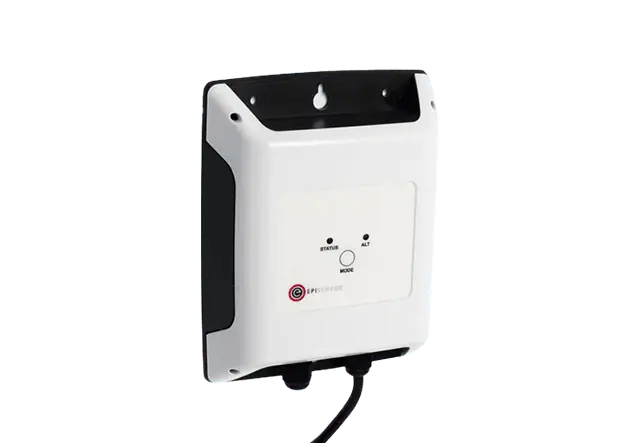
The ZHM includes a built-in M-Bus master that powers and communicates with connected M-Bus slave devices according to the EN 13757 standard. It supplies the bus voltage and handles all M-Bus protocol communication, reading meter registers and converting them into standard IoT data formats. The integrated master supports multiple slave devices on a single bus segment, enabling connection of several meters in the same location from a single ZHM unit.
Gas, Water, Heat, and Electricity Meters
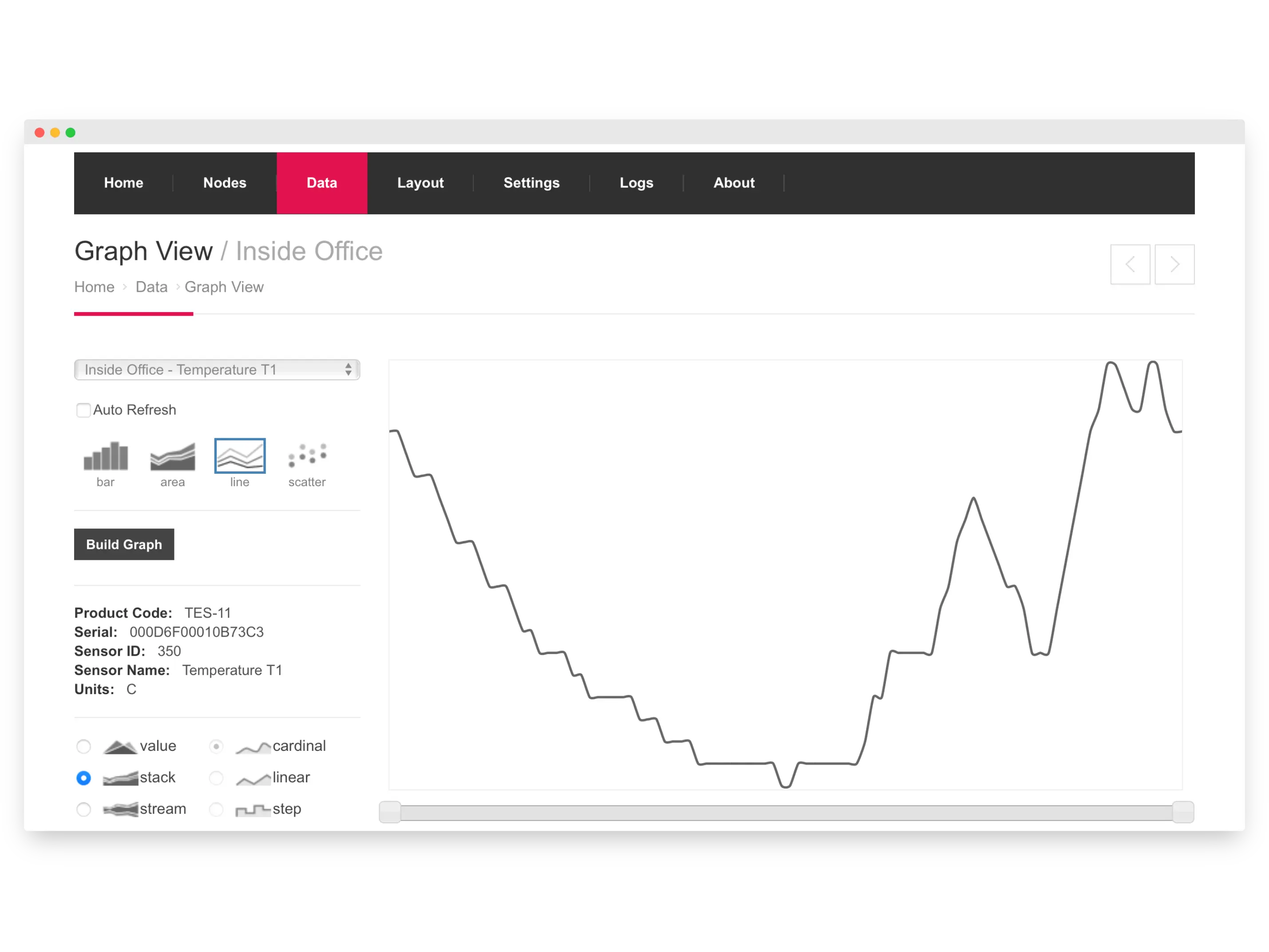
M-Bus is the dominant wired communication protocol for European utility meters, particularly for gas, water, and heat metering where pulse counting alone cannot provide the full range of meter data. The ZHM reads all standard M-Bus data records including cumulative consumption, instantaneous flow rates, forward and return temperatures (for heat meters), and meter status flags. This rich data set enables comprehensive multi-utility monitoring from a single IoT platform.
Automatic Meter Discovery and Configuration
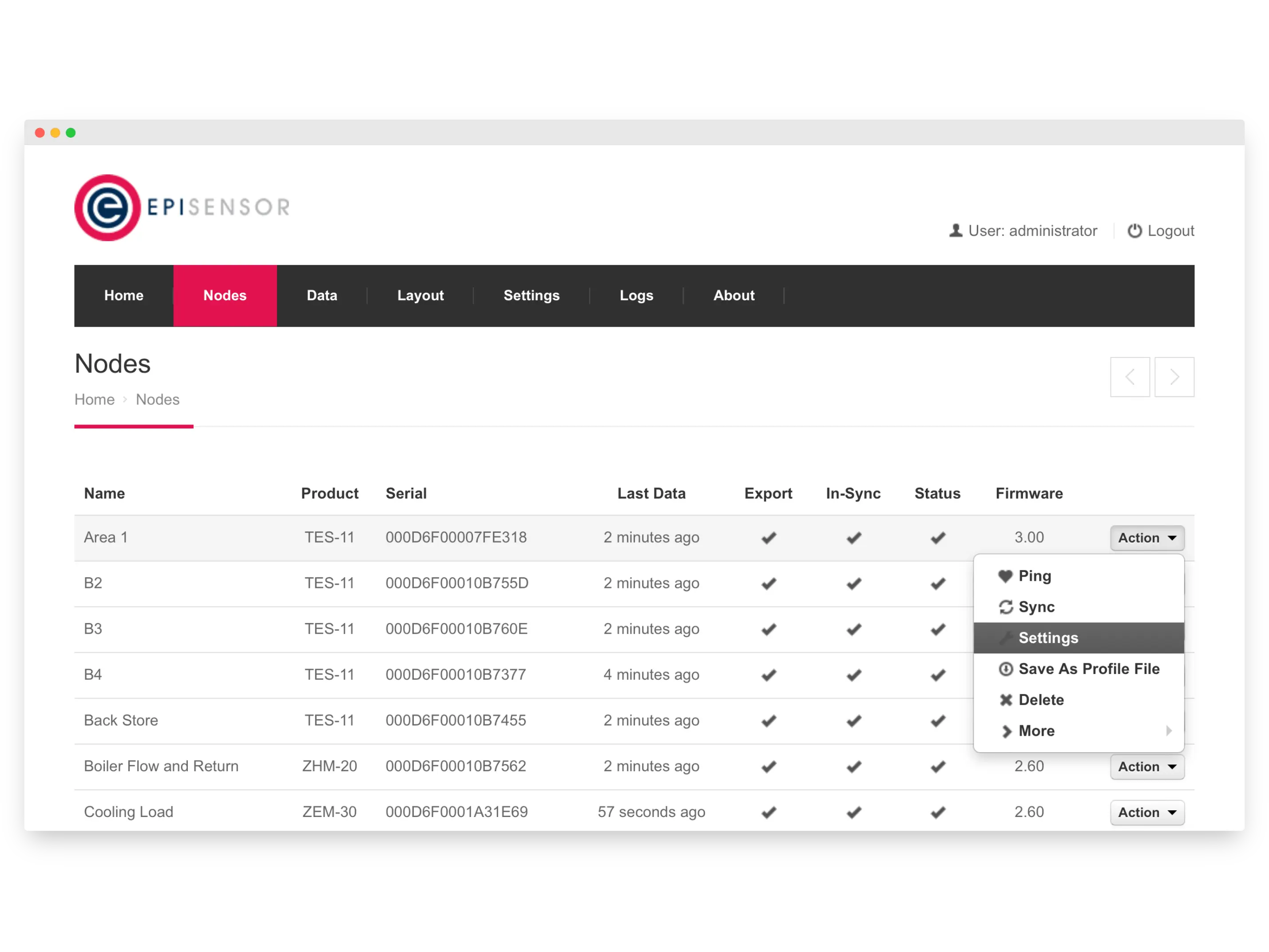
The ZHM automatically scans the M-Bus segment to discover connected meters, reading their manufacturer, serial number, and available data records. Discovered meters appear in the EpiSensor gateway and Core platform ready for configuration, with no manual register mapping required. The auto-discovery process handles both primary and secondary addressing, supporting mixed meter environments with devices from different manufacturers on the same bus.
ZigBee Mesh for Cable-Free Backhaul
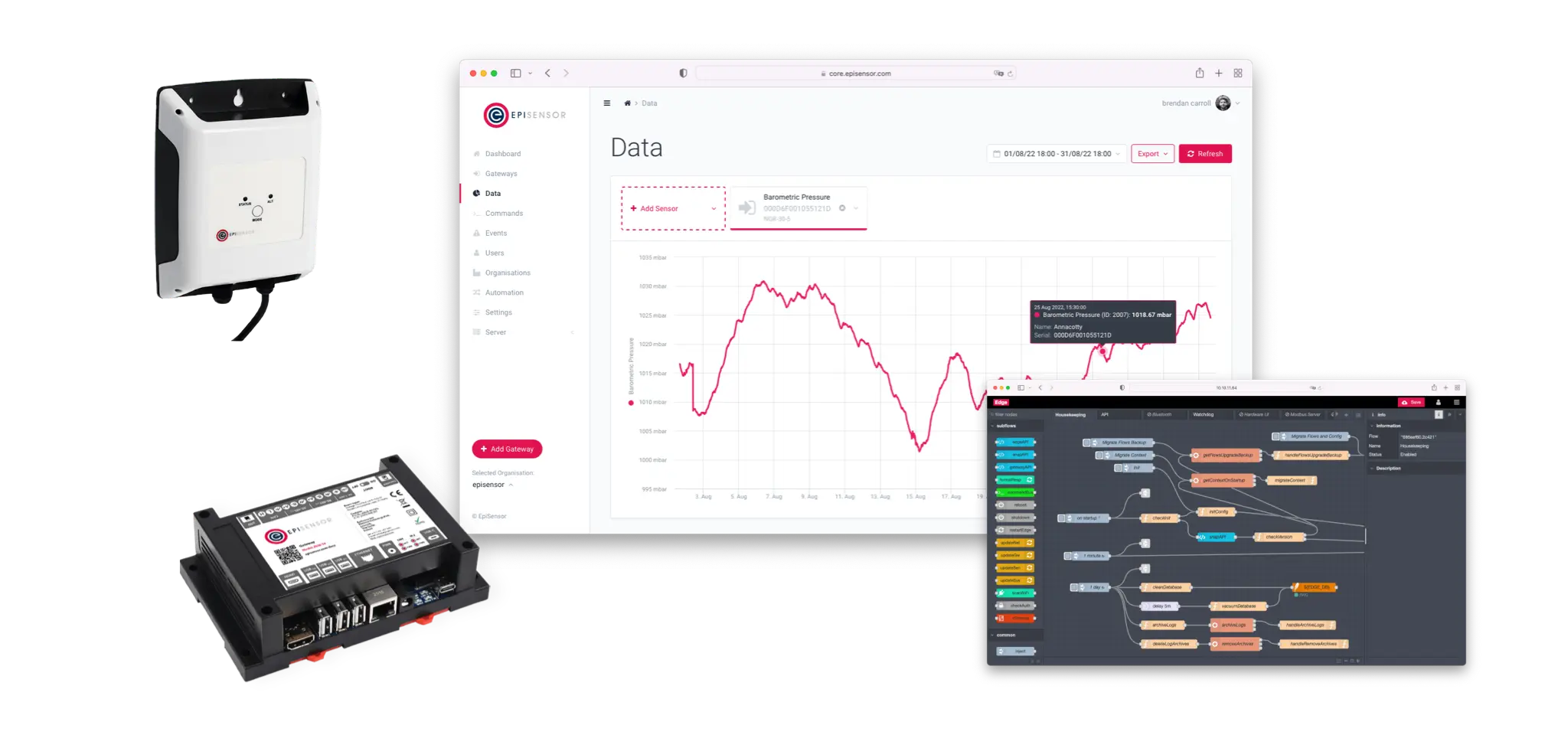
Traditional M-Bus systems require dedicated cabling from each meter location back to a central M-Bus master. The ZHM eliminates this long-distance cabling by acting as a local M-Bus master at the meter location and transmitting data wirelessly over the EpiSensor ZigBee mesh network. This is particularly valuable in retrofit installations where running M-Bus cables through existing buildings would be disruptive and expensive.
Specifications
| Model | ZHM |
| M-Bus Interface | Integrated master, EN 13757 compliant |
| M-Bus Slaves | Up to 4 slave devices per ZHM |
| Baud Rate | 300 to 9600 baud (auto-detect) |
| Addressing | Primary and secondary addressing |
| Wireless | ZigBee (IEEE 802.15.4), 2.4 GHz |
| Mounting | DIN-rail (35mm) |
| Power Supply | 85-265V AC (internal PSU) |
| Operating Temperature | -20°C to +55°C |
| Certifications | CE |
Use Cases
Multi-Utility Metering
Read gas, water, heat, and electricity meters from a single platform for comprehensive utility monitoring and billing.
District Heating
Connect M-Bus heat meters in apartment buildings and commercial developments for central heating cost allocation.
Retrofit Installations
Add wireless connectivity to existing M-Bus meters in buildings where running new cables is impractical or costly.
Related Products
Wireless Digital Signal Sensor
ZPC/ZDIFor meters with pulse outputs rather than M-Bus communication.
Learn MoreWireless Modbus Interface
ZMBFor devices with Modbus RTU communication instead of M-Bus.
Learn MoreZGW-10 Gateway
ZGWThe central hub that collects all meter data and delivers it to your platform.
Learn MoreReady to Connect Your M-Bus Meters?
Talk to our team to learn how the ZHM can wirelessly integrate your M-Bus meters into a modern IoT platform.